
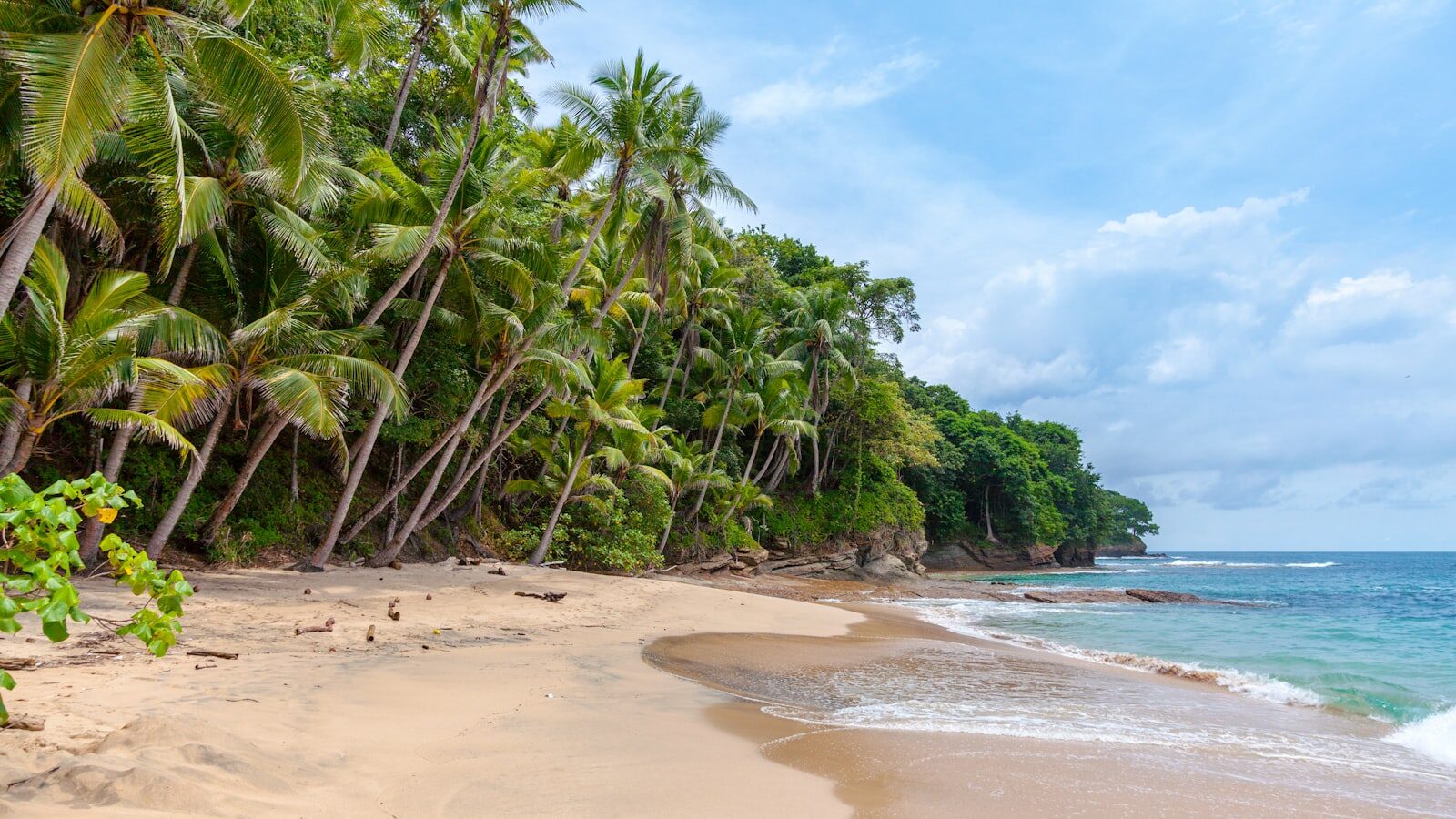
The best things to do in Timor-Leste are diving or snorkelling the record-breaking reefs of Atauro Island, a day trip to uninhabited Jaco Island, a sunrise climb of Mount Ramelau (2,963 m), whale watching from October to December, and learning the country’s independence story in Dili. Beyond those, the mountains offer coffee farms and cool market towns, and the far east and west have colonial forts, hot springs and quiet fishing villages, best seen with a hired car and driver in the dry season (roughly May to November).
The list below is ranked roughly by how strongly we would recommend each experience to a first-time visitor. Each entry links to our detailed guide with prices, transport and safety notes.
The 15 best things to do in Timor-Leste
1. Dive or snorkel the reefs of Atauro Island
Atauro is a mountainous island about 30 km north of Dili, and its reefs are the main reason to go: in a 2016 Conservation International survey, scientists recorded an average of 253 reef fish species per site, the highest average ever documented. The reef starts close to shore at Beloi, where the ferry lands, so snorkellers get as much from it as divers. The APORTIL government ferry sails from Dili every day except Monday at 8:00 and costs US$4–5 in cash; faster private boats and MAF flights also run. Stay at least one night in a community guesthouse or eco-lodge. See our Atauro Island guide and the Dili to Atauro ferry guide.
2. Take a day trip to Jaco Island
Jaco is an uninhabited, sacred island off the eastern tip of the country, inside Nino Konis Santana National Park, with white sand and some of the best snorkelling in Timor-Leste. Local fishermen take visitors across from Valu (Tutuala) Beach for about US$10 return, but overnight stays on the island are not allowed and there are no facilities, so bring water, food and shade. Getting there is a full day’s drive from Dili via Baucau and Lospalos, so plan three to four days for the round trip. Don’t swim at Valu Beach itself: saltwater crocodiles are regularly seen there. Read our Jaco Island guide.
3. Watch the sunrise from Mount Ramelau
Mount Ramelau (Tatamailau), at 2,963 m, is the highest point in Timor-Leste. The classic climb starts at about 3:00–4:00 am from the village of Hatu Builico and takes 2–3 hours to a summit statue of the Virgin Mary, where on a clear morning you can see much of the island. No climbing skills are needed, but nights are cold all year, so bring warm layers, a headlamp and 3–4 litres of water, and go with a local guide. Hatu Builico is a 4–5 hour drive south of Dili via Aileu and Maubisse. See our Mount Ramelau guide.
4. Go whale watching (October to December)
From October to December, pygmy blue whales, sperm whales and other species migrate through the deep Ombai-Wetar Strait between Timor-Leste and Indonesia, often close to the coast. The national tourism site reports more than 20 cetacean species recorded in Timor-Leste’s waters, and dolphins can be seen year-round. Trips leave from Dili and Atauro with dive operators that run whale-watching boats in season. See dolphins and whales in Timor-Leste and our list of dive operators.
5. Climb to Cristo Rei and swim at Back Beach
Dili’s landmark is a 27-metre statue of Christ standing on a globe at Cape Fatucama, at the eastern end of Dili Bay. A path with the 14 Stations of the Cross leads to the top in about 30 minutes, with views over the city and towards Atauro. Go early in the morning or late afternoon to avoid the heat. Afterwards, walk down to Dolok Oan (Back Beach) on the far side of the headland for a swim. See our Cristo Rei guide.
6. Learn Timor-Leste’s story in Dili
The capital’s museums explain how the country won its independence. The Timorese Resistance Archive & Museum traces the struggle from the 1975 Indonesian invasion to the 1999 referendum; the Centro Nacional Chega! occupies the former Balide prison; and Santa Cruz Cemetery is where troops fired on a funeral procession on 12 November 1991, a massacre that drew world attention. Allow a full day, dress modestly at the cemetery, and check opening hours before you go, as they are not always published. Start with our guide to things to do in Dili and the Resistance Museum listing.
7. Shop for tais and browse Dili’s markets
Tais, the hand-woven textile made by Timorese women, is on UNESCO’s list of intangible cultural heritage in need of urgent safeguarding, and each region has its own patterns and colours. The Tais Market in central Dili is the easiest place to buy it: prices are not fixed, bargaining is polite and low-key, and fine pieces cost far more than small souvenirs. For everyday local life, visit a produce market such as Comoro. Read our Tais Market guide, markets in Dili and the arts and crafts shopping guide.
8. Tour the coffee farms of Ermera and Letefoho
Coffee is Timor-Leste’s main agricultural export, and most of it is grown in the cool hills of Ermera municipality, about 90 minutes’ drive from Dili. The harvest runs roughly from May to September, the best time to see picking and processing on smallholder farms around Gleno, Railaco and Letefoho. Tours are best arranged through a Dili operator or a roaster such as Letefoho Specialty Coffee Roaster. See our Ermera guide and Timor-Leste coffee guide.
9. Spend a night in Maubisse
Maubisse is a mountain market town on the road from Dili to Mount Ramelau, noticeably cooler than the coast and surrounded by coffee and vegetable gardens. Most visitors stop here on the way to Hatu Builico, and its market draws farmers from the surrounding hills. The old Pousada Maubisse is closed (as of October 2026), so check that a guesthouse in town is open before you travel. See the Maubisse section of our Ainaro guide.
10. Explore Baucau and swim in its spring-fed pool
Baucau, Timor-Leste’s second-largest city, is about 120 km east of Dili (roughly three hours by road) and has some of the country’s best-preserved Portuguese colonial buildings, including the old market of 1928–1934 in the Old Town. Its best-known attraction is the Piscina de Baucau, a large public swimming pool fed by a natural spring, which is a safer place for a swim than nearby beaches where saltwater crocodiles are found. Entry is a small fee; check opening days locally. Baucau is also the base for climbing Mount Matebian. See our Baucau guide and Piscina de Baucau listing.
11. Head east to Com, Tutuala and Nino Konis Santana National Park
Lautém, the easternmost municipality, is the country’s most remote corner: Lospalos is at least five hours from Dili, often six to eight. Com is a small fishing village on the north coast with simple community guesthouses, and further east Nino Konis Santana National Park takes in forest, coast, Jaco Island and the Ili Kere Kere rock art near Tutuala. Bring cash and supplies from Dili or Baucau, and don’t drive after dark. See our Lautém guide and Tutuala Beach.
12. Visit the fort at Balibó
Balibó, near the Indonesian border in Bobonaro municipality, is where five Australian-based television journalists, the Balibo Five, were killed by Indonesian forces on 16 October 1975. The 18th-century Portuguese fort above the town has been restored by the Balibo House Trust and now holds a heritage hotel, a café-restaurant and museums, with income supporting community projects in Balibó. It is about three to four hours’ drive west of Dili along the coast road via Batugadé. See our Balibó Fort listing and Bobonaro guide.
13. Soak in the Marobo hot springs
Marobo is a set of geothermal pools in a green mountain valley in Bobonaro municipality, reached by 4WD or motorbike from Maliana or Balibó. There is no published entry fee or opening hours, and facilities are basic, so bring water, food and a towel. Most visitors combine the springs with Balibó on a two-day trip west of Dili. In the wet season, landslides can cut the mountain roads. See our Marobo Hot Springs page.
14. Visit the Oé-Cusse enclave
Oé-Cusse is a Special Administrative Region surrounded by Indonesian West Timor, and Lifau, on its coast, is the site of the first Portuguese settlement on Timor. Few visitors make the trip, so you will have its beaches and colonial ruins largely to yourself. The APORTIL ferry from Dili takes about 13 hours overnight and costs US$8–10 in cash; flights have also operated, and the land route crosses Indonesian territory, so you need a passport and the right visas. See our Oé-Cusse guide.
15. Stay with a community tourism project
Community-run tourism lets visitors stay in villages and spend money directly with local families. On Atauro, the ATKOMA association links homestays, guides and boat trips; near Baucau, the DaTerra farm offers farm stays and guided hikes; and in the Ainaro highlands, the Dokomali waterfall tour includes a village welcome ceremony and a community lunch. Book ahead, carry cash, and dress modestly in villages. See ATKOMA, DaTerra farm and the Dokomali waterfall tour.
Plan your trip
- Getting there: most visitors fly into Dili; see how to get to Timor-Leste.
- Getting around: roads outside Dili are slow and unlit, so most visitors hire a car with a driver; see getting around Timor-Leste.
- When to go: the dry season, roughly May to November, is best for roads, hiking and diving; see best time to visit.
- Safety: see is Timor-Leste safe? and health and safety.
- Money and visas: the currency is the US dollar, and cash is essential outside Dili; see money and currency and visa and immigration.
- Guided trips: see our list of tour operators in Timor-Leste.
Frequently asked questions
What is Timor-Leste best known for?
Timor-Leste is best known for its coral reefs, especially around Atauro Island, where surveys have recorded the highest average reef-fish diversity ever documented, and for its recent history as one of the world’s youngest nations, which became independent in 2002. Visitors also come for Mount Ramelau, whale migration from October to December, and Timorese coffee.
What is the best time to visit Timor-Leste?
The dry season, roughly May to November on the north coast, is the best time to visit, with June to October the most reliable months for weather, roads and diving. Come between October and December if you want to see migrating whales. The rest of the year is the wet season, when mountain roads can be closed by landslides.
How many days do you need in Timor-Leste?
Allow at least a week: two or three days for Dili, one or two nights on Atauro Island, and two nights for a Mount Ramelau trip via Maubisse. A trip to Jaco Island and the far east adds three to four days, and Balibó and Marobo add two more. Roads are slow, so don’t try to fit too much in.
Do I need a visa for Timor-Leste?
Citizens of ASEAN countries can enter visa-free for up to 30 days for tourism. Most other visitors, including Australian, British and US citizens, can get a 30-day tourist visa on arrival for US$30, paid in US dollar cash. Rules change, so check our visa guide before you travel.
Is Timor-Leste safe for tourists?
Timor-Leste is generally safe to visit if you take sensible precautions; as of October 2026 no major government advises against travel, though Australia, Canada and the United States all ask visitors to take extra care. The bigger everyday risks are road travel, especially at night, sea conditions on small boats, saltwater crocodiles at some beaches, and mosquito-borne diseases such as dengue. Read our safety guide for current advice.
Sources
- Timor-Leste official tourism site (Ministry of Tourism)
- Timor-Leste official tourism site: Atauro Island
- Mongabay: Atauro Island has highest average reef fish diversity in the world (2016)
- UNESCO: Tais, traditional textile (Urgent Safeguarding List, 2021)
- Balibó House Trust
- Timor-Leste Immigration Service